
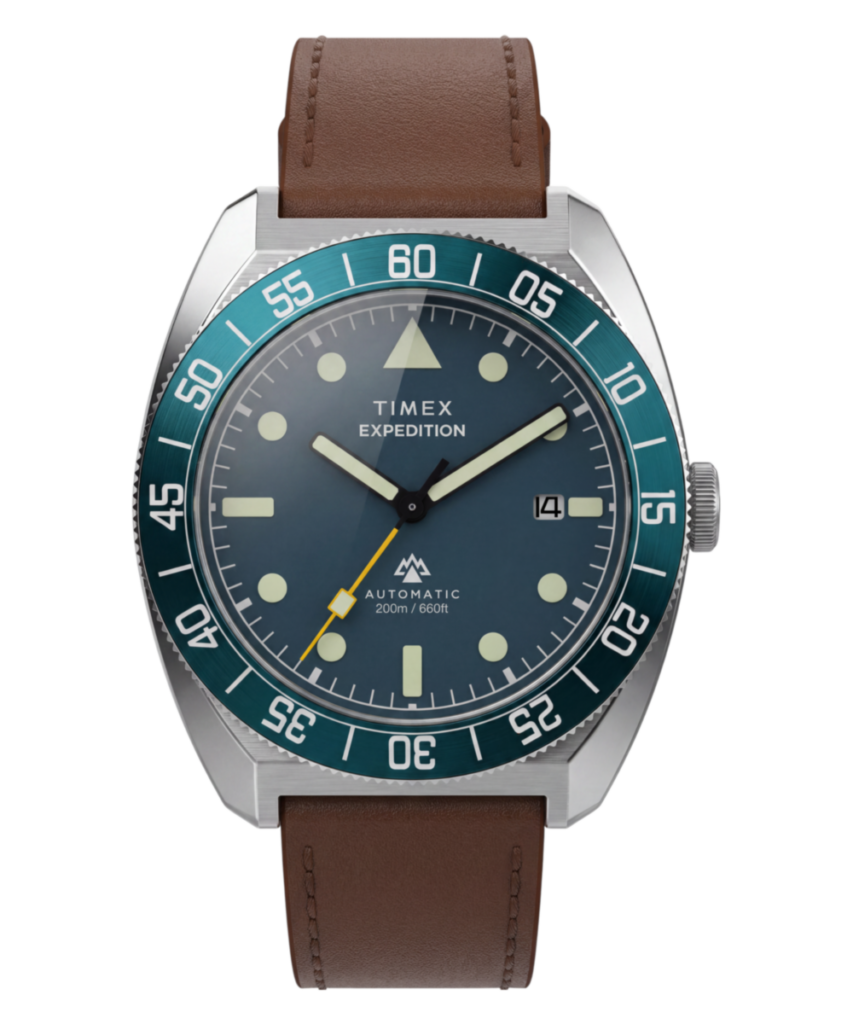
This is the one specification that changes how a watch behaves day to day, so it is worth understanding before anything else.
Quartz: accurate, and it asks nothing of you
A battery drives a quartz crystal. Expect accuracy within about 15 seconds a month, a battery every two to three years, and nothing else to think about. Put it in a drawer for six months and it still shows the right time when you pick it up.
Automatic: wound by your wrist, and less accurate
A rotor turns as you move and winds a mainspring. No battery. But a typical automatic in this price range runs somewhere between -20 and +40 seconds a day, and it stops after about two days off the wrist, so it needs resetting. That is not a defect — it is what mechanical timekeeping is.
So why pay more for the less accurate one?
Because it has a sweeping second hand rather than a ticking one, because there is no battery to replace, and because a mechanical movement can be serviced indefinitely. Those are real reasons. “It keeps better time” is not one of them, and anyone who tells you otherwise is selling something.
Choose quartz if
You want to put it on and forget it, you rotate between several watches, you need the time to be right without checking, or you are buying for a child.
Choose automatic if
You will wear it most days, you like the mechanism, and a minute of drift over a couple of weeks does not bother you.
Both types are listed with their movement on every product page. Our guide to what to expect in this price range covers what the money buys beyond the movement.
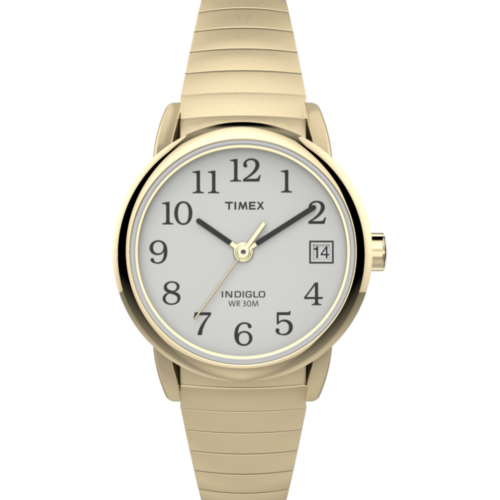
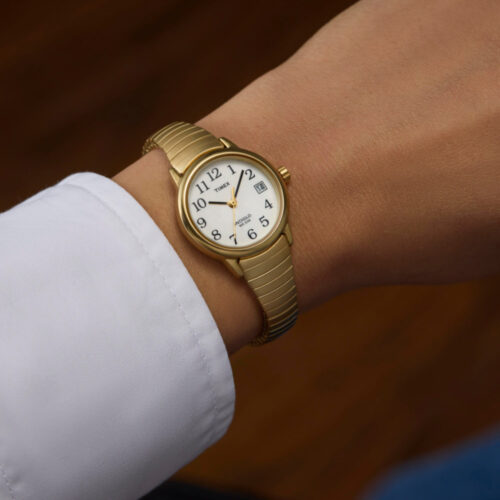
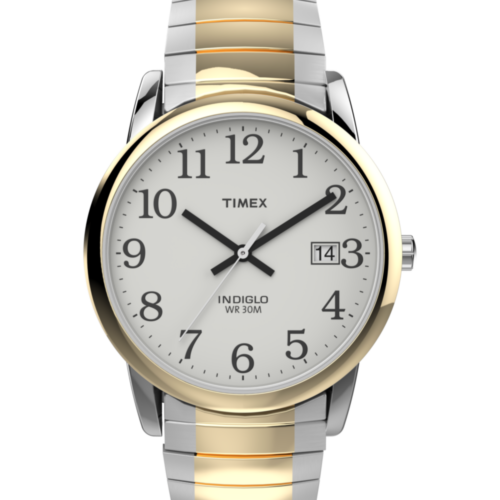
Watches mentioned in this guide
More guides
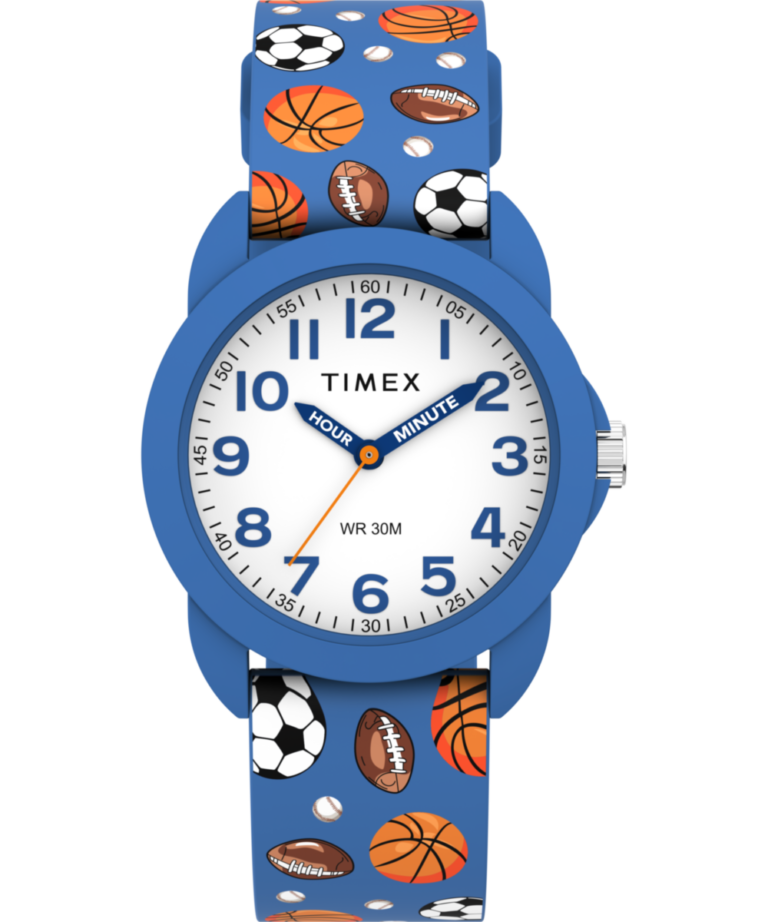
Buying a first watch for a child: what actually matters
Case size, strap type and whether the dial teaches the time — the three things that decide whether a child wears the watch or…
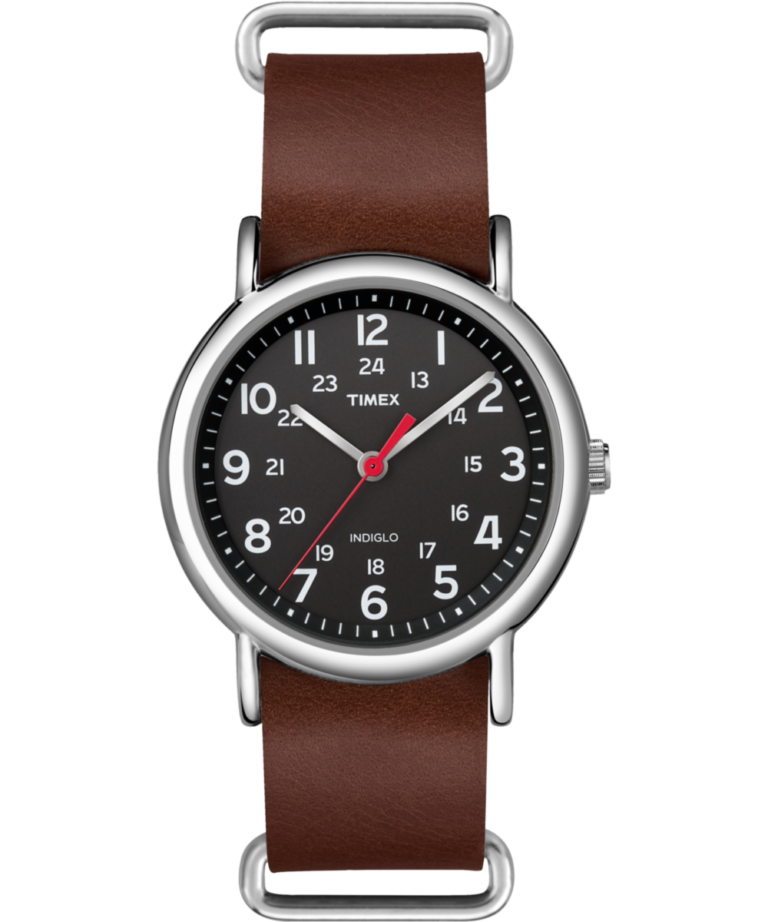
Men’s, women’s, unisex: what the labels actually mean
The categories are about case size and proportion, not about who is allowed to wear what. Here is how to read them.
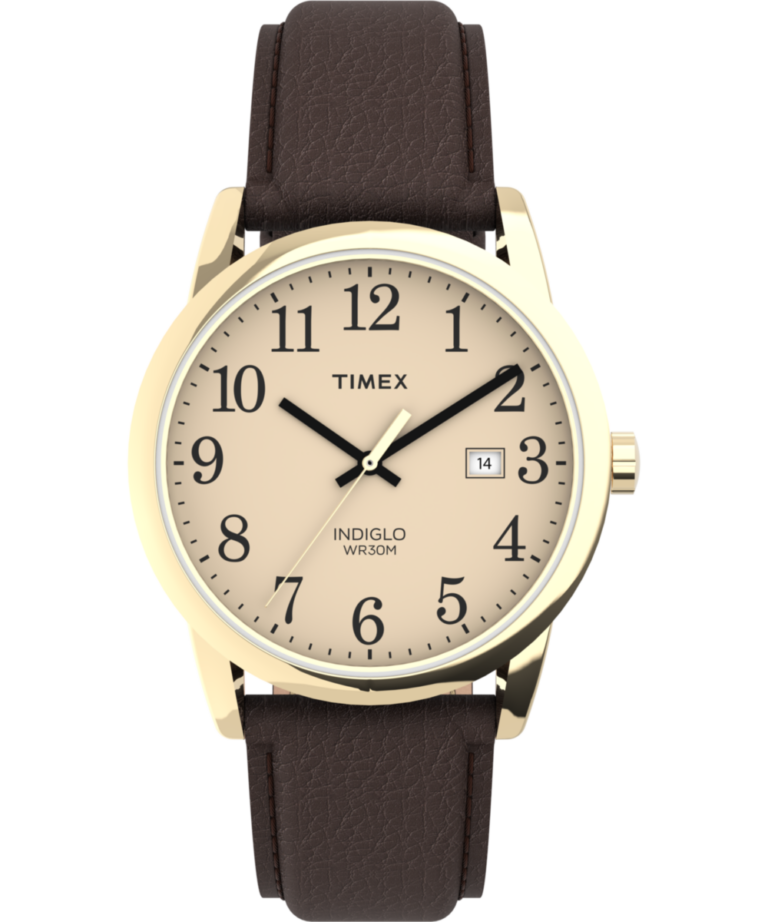
How to care for your watch so it lasts
Winding, magnets, straps, batteries, cleaning and service intervals — the few habits that make the difference between a watch that lasts and one that…