
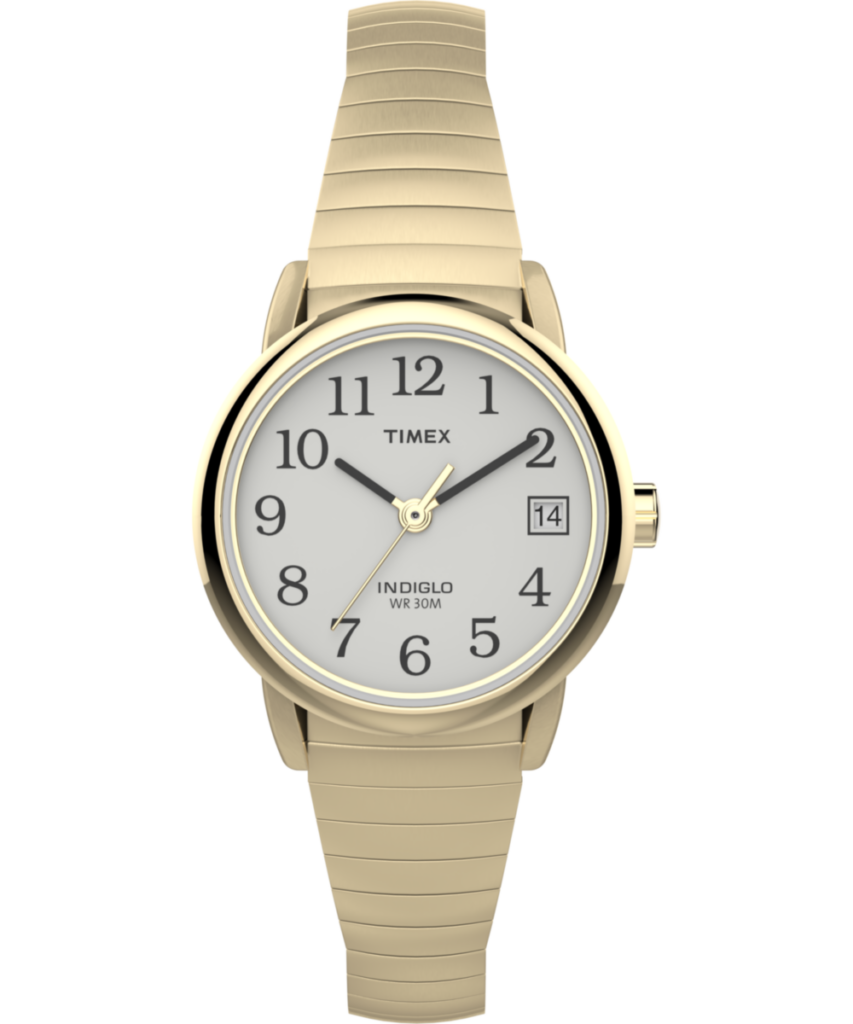
Our watches cost between $139 and $489. That is real money, and it is also a tenth of what a Swiss entry-level luxury watch costs. It is fair to ask what the difference buys. This is our attempt at a straight answer.
What you get at this price
- A proven movement. Our automatics use Japanese calibres that have been made in the millions; our quartz movements are Swiss or Japanese. They are reliable, parts are everywhere, and any watchmaker can service them. They are not rare or hand-finished, and we do not pretend they are.
- 316L stainless steel. The same grade used across the industry, including at far higher prices.
- Sapphire crystal on every model above $150, which is genuinely hard to scratch. Models under $150 use hardened mineral glass, which will scratch eventually.
- Proper water resistance, tested on each watch rather than assumed from the design.
- Quick-release straps, so changing the look costs $20, not a trip to a jeweller.
What you do not get
- In-house or decorated movements. Look through our casebacks and you will see a clean industrial movement, not hand-bevelled bridges.
- Chronometer-grade accuracy. Our automatics are regulated to about ±10 seconds a day. A certified chronometer is −4/+6. Over a month, ours may drift a few minutes; you will reset it.
- Complex case finishing. Our cases are brushed and polished by machine. The transitions are clean but not razor-sharp the way hand-finished cases are.
- Resale value. A Teemcw watch is worth less second-hand than you paid. Buy it to wear, not as an investment.
- Heritage. We are a small Seattle company, not a 150-year-old manufacture. If the name on the dial matters to you, we understand.
Where the money actually goes
Roughly, in order: the movement, the sapphire crystal, the case and bracelet machining, testing and regulation, packaging, shipping and insurance, and the warranty reserve. Selling directly instead of through stores is what keeps the prices where they are.
Is it worth it?
If you want a watch that keeps reasonable time, survives daily wear, can be serviced anywhere and looks the way you like, yes. If you want a piece of horological craft or something to pass on, save for the watch you really want. Either answer is fine with us, and the 30-day return means you can decide with the watch on your wrist.
Watches mentioned in this guide
More guides
How to care for your watch so it lasts
Winding, magnets, straps, batteries, cleaning and service intervals — the few habits that make the difference between a watch that lasts and one that…
What our 24-month warranty does — and does not — cover
A plain-language version of the warranty: what is covered, the exclusions we will actually enforce, and what happens when you make a claim.
Water resistance explained: what 30, 50, 100 and 200 m really mean
The metres printed on a dial are not depths you can dive to. What each rating is actually good for, what voids it, and…