
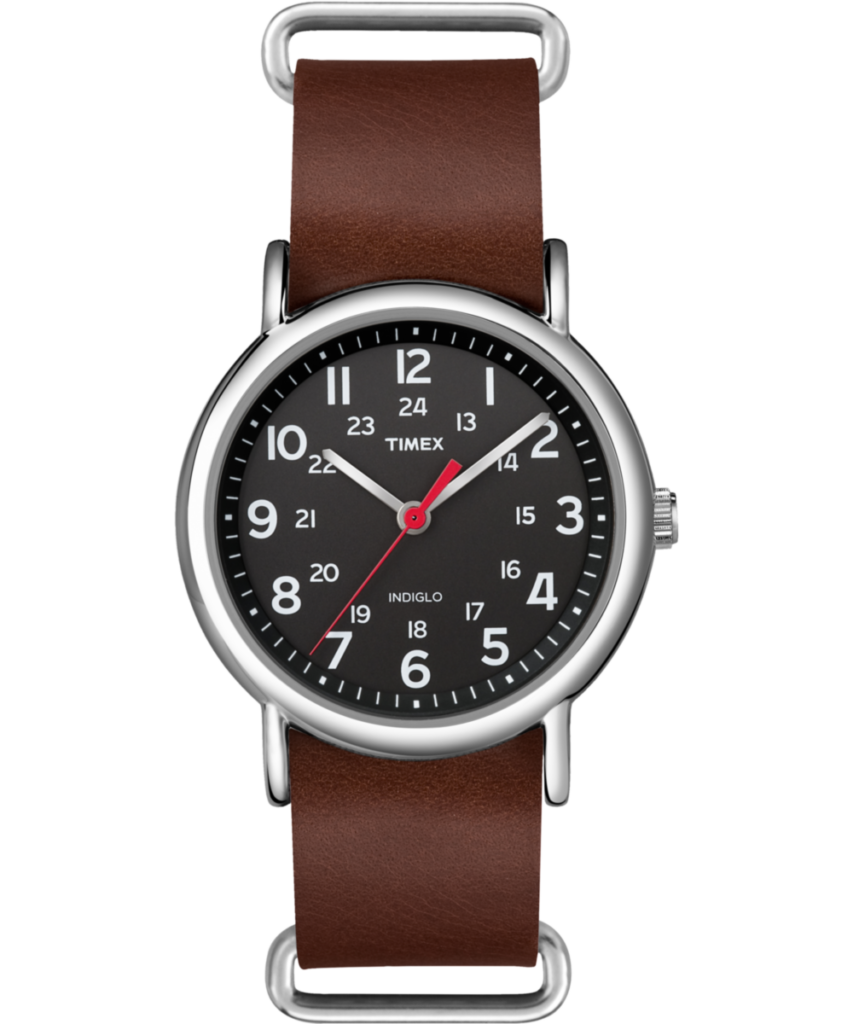
Watch categories are a sizing convention that grew out of habit, and they confuse people for good reason. Here is what the labels mean in practice on this site.
They describe the case, not the wearer
Our men’s watches are mostly 38–45mm. Women’s watches run roughly 22–36mm, often on narrower straps. Unisex covers the middle ground, about 34–40mm, where the proportions suit most wrists. That is the whole of it. Nothing stops anyone wearing anything, and plenty of people buy across all three.
Measure your wrist, then ignore the label
Wrap a tape measure around your wrist bone. Under 15cm, watches above 38mm will overhang. From 15 to 17cm, most of the 34–40mm range sits well. Above 17cm, 40mm and up looks proportionate. Our sizing guide goes through this properly.
Where the label still helps
Strap width follows case size, so a category is a quick way to filter for something that will physically fit. It also narrows 370 watches down to a browsable number, which is really what it is for.
Two things the label never tells you
It says nothing about movement — automatic and quartz appear in every category. And it says nothing about water resistance, which is listed separately on each product page. If either matters to you, read the specification rather than the category.
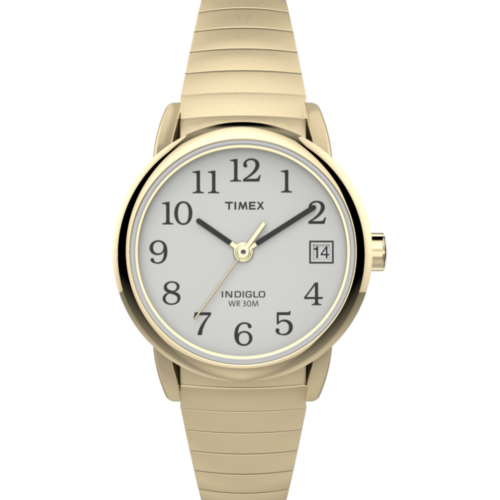
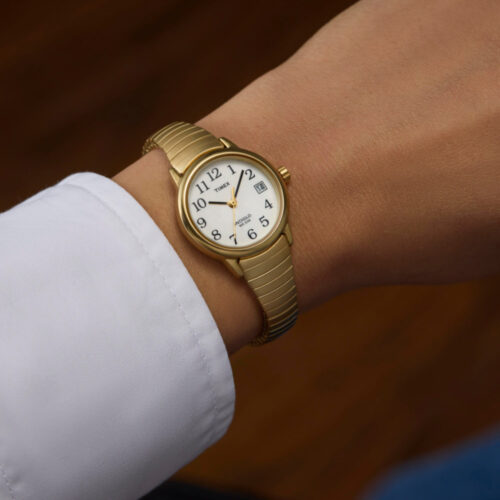
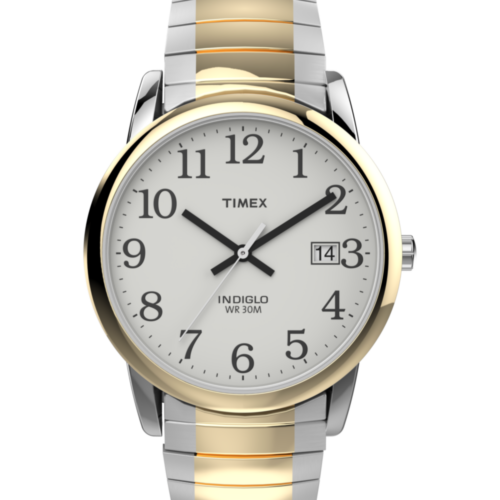
Watches mentioned in this guide
More guides
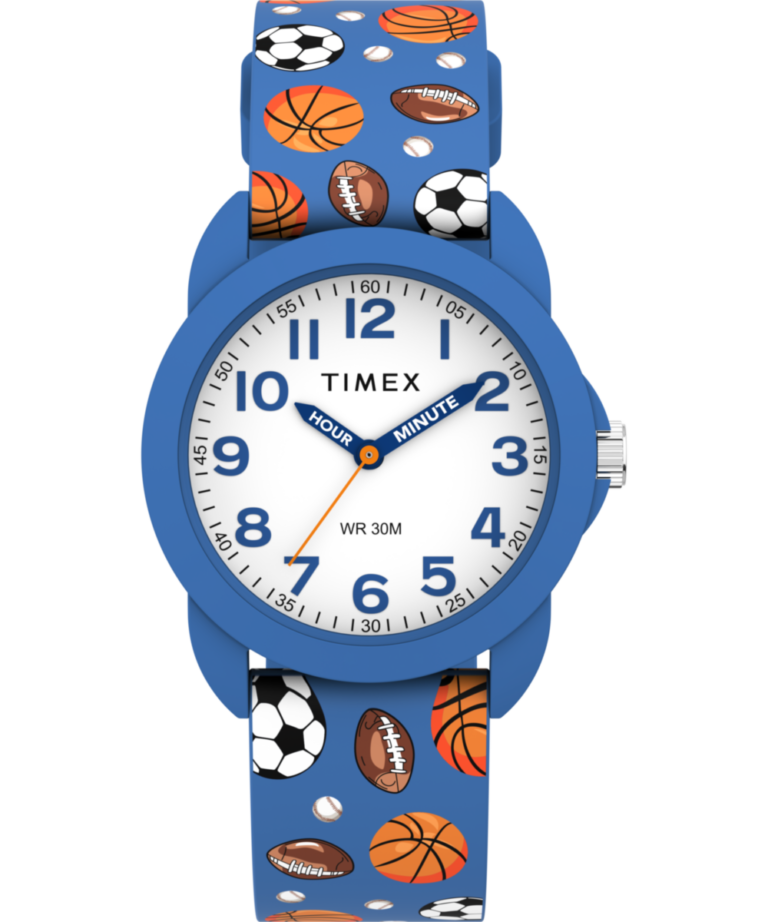
Buying a first watch for a child: what actually matters
Case size, strap type and whether the dial teaches the time — the three things that decide whether a child wears the watch or…
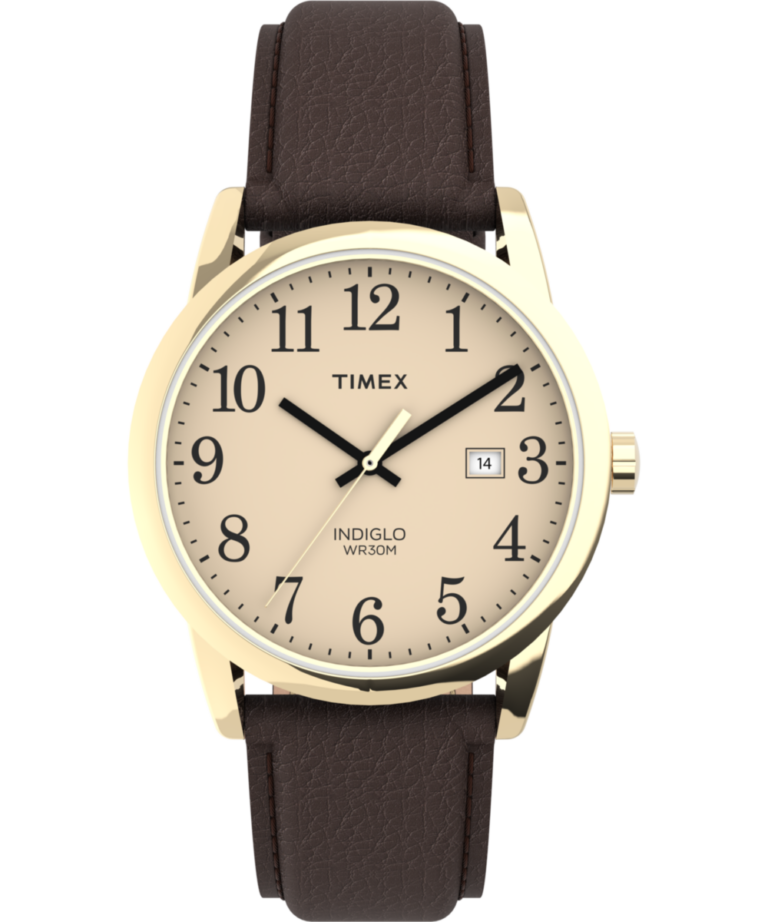
How to care for your watch so it lasts
Winding, magnets, straps, batteries, cleaning and service intervals — the few habits that make the difference between a watch that lasts and one that…
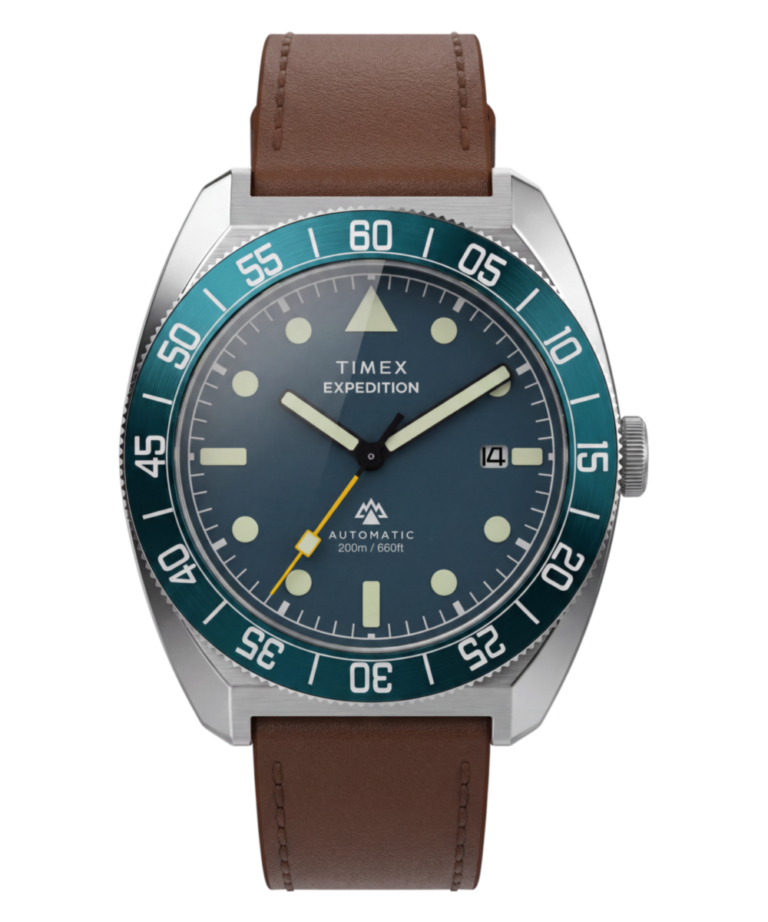
Automatic or quartz: which one suits how you actually live
One needs winding or wearing, keeps worse time and costs more. People still choose it on purpose. Here is why — and when not…