
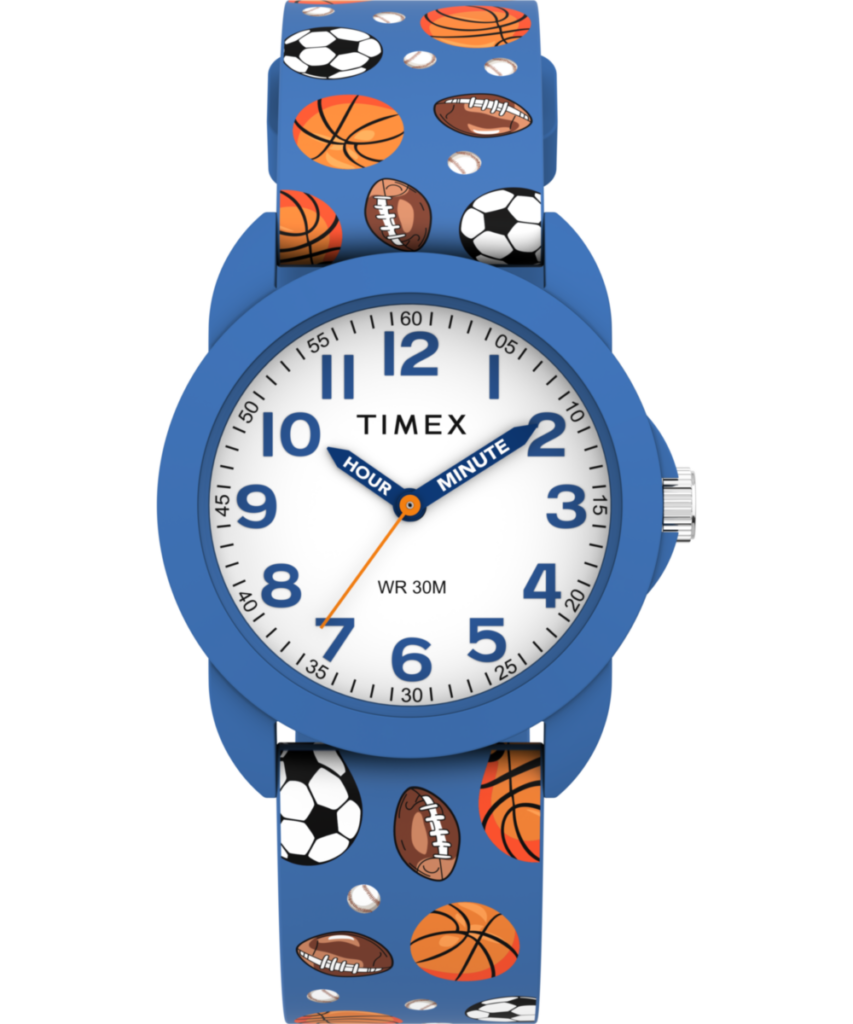
A child’s watch fails for boring reasons: it is too heavy, the strap pinches, or the dial is a mystery. None of that shows up in a photograph, so here is what to check before you buy.
Case size: 27–35mm, and lean small
An adult watch starts around 38mm. On a child’s wrist that overhangs the bone on each side and catches on sleeves. The watches in our Kids’ Watches range run 27mm to 35mm. As a rough guide, 27–30mm suits roughly ages 4–8, and 30–35mm from about 8 upward — but wrists vary far more than birthdays do, so measure first if you can.
The strap decides whether it gets worn
Elastic fabric slips on without a buckle, which matters a great deal if the child is too young to fasten one. Silicone wipes clean and survives water. A buckled leather strap looks smarter and is the most likely to end up unused. There is no best answer here, only a trade-off between neat and practical.
A dial a child can read
Most watches mark the hours and leave the minutes to be worked out. A time-teacher dial prints both — the hours in one ring, the minutes in another, with the hands labelled — which is the difference between a watch that teaches and a watch that has to be explained every time.
Water resistance: 30m is enough, and is not for swimming
Every watch we sell for children is rated at least 30m. That covers rain, hand-washing and a spilled drink. It does not cover swimming or the bath: 30m is a pressure rating from a static laboratory test, not a depth you can take it to. If the watch will go in a pool, you want 100m. We say more about this in our guide to water resistance.
What we would not tell you to worry about
Movement type. A quartz movement in a child’s watch is accurate, needs nothing from the wearer, and the battery lasts years. There is no advantage to anything more complicated at this size and price.
Every children’s watch here carries the same 24-month warranty as the rest of the shop, and the same 30-day return window if the size is wrong.
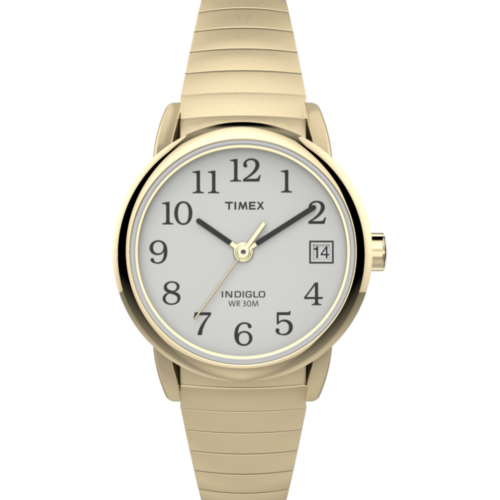
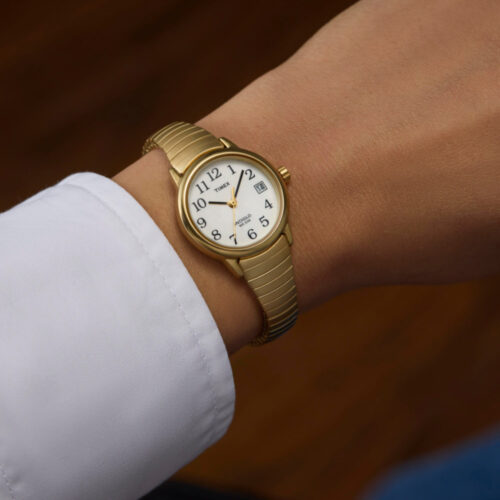
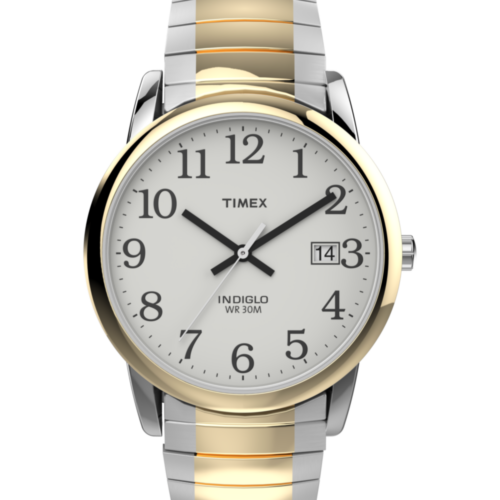
Watches mentioned in this guide
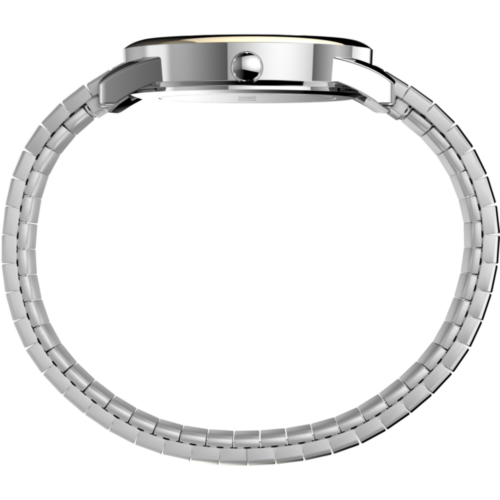
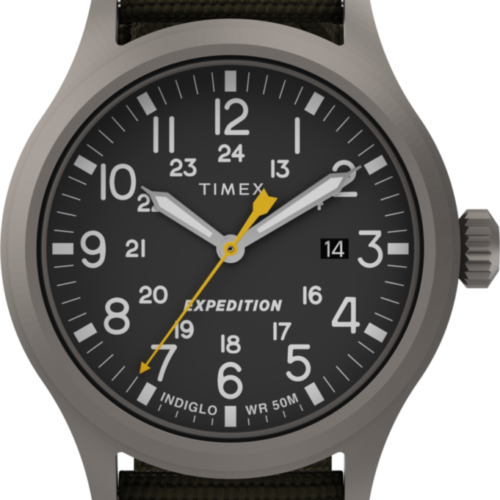
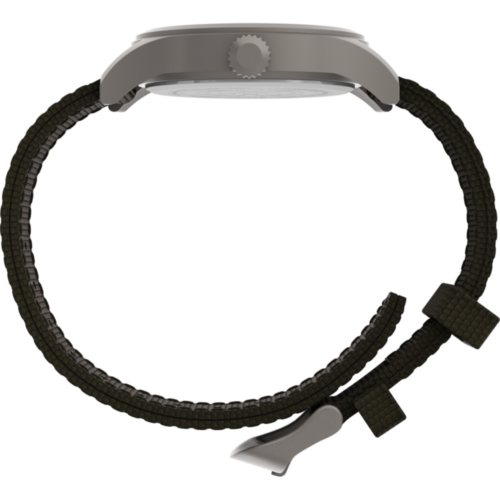
More guides
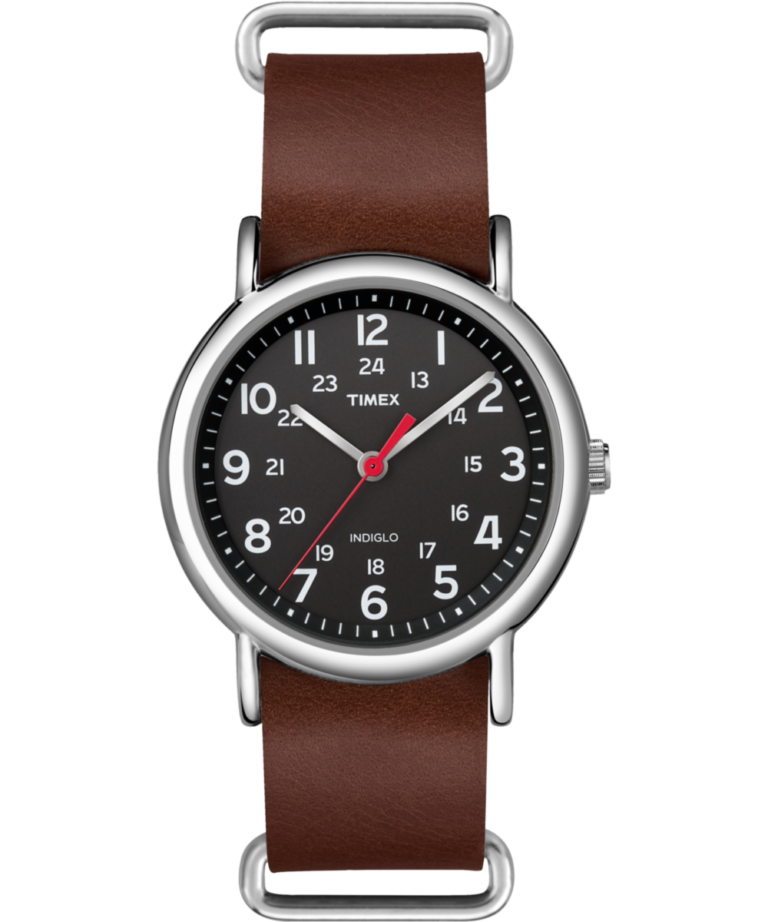
Men’s, women’s, unisex: what the labels actually mean
The categories are about case size and proportion, not about who is allowed to wear what. Here is how to read them.
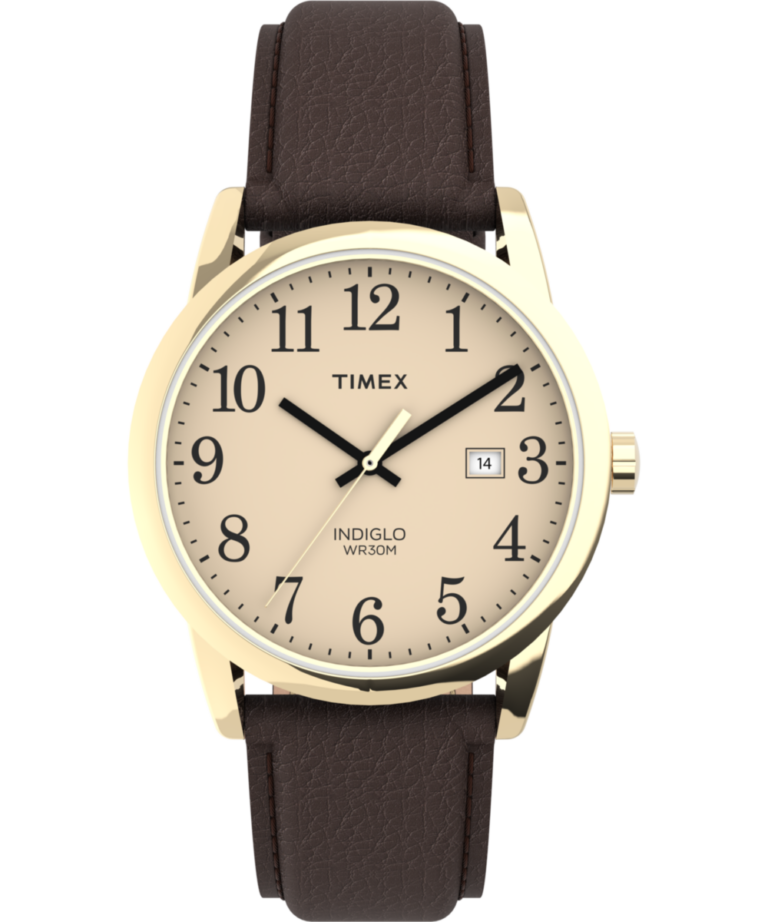
How to care for your watch so it lasts
Winding, magnets, straps, batteries, cleaning and service intervals — the few habits that make the difference between a watch that lasts and one that…
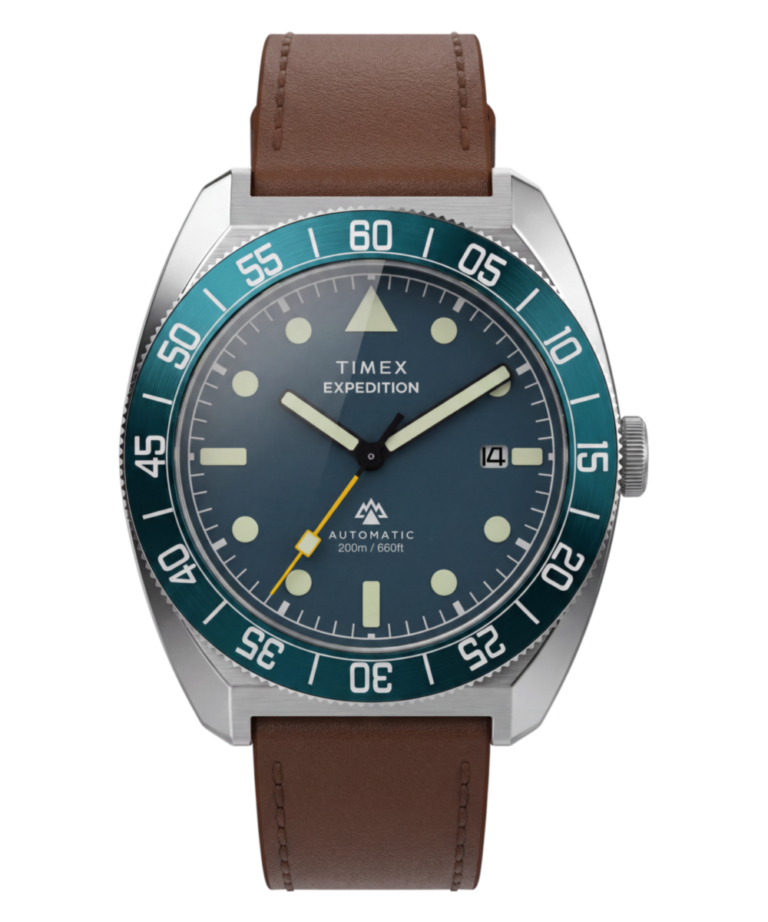
Automatic or quartz: which one suits how you actually live
One needs winding or wearing, keeps worse time and costs more. People still choose it on purpose. Here is why — and when not…