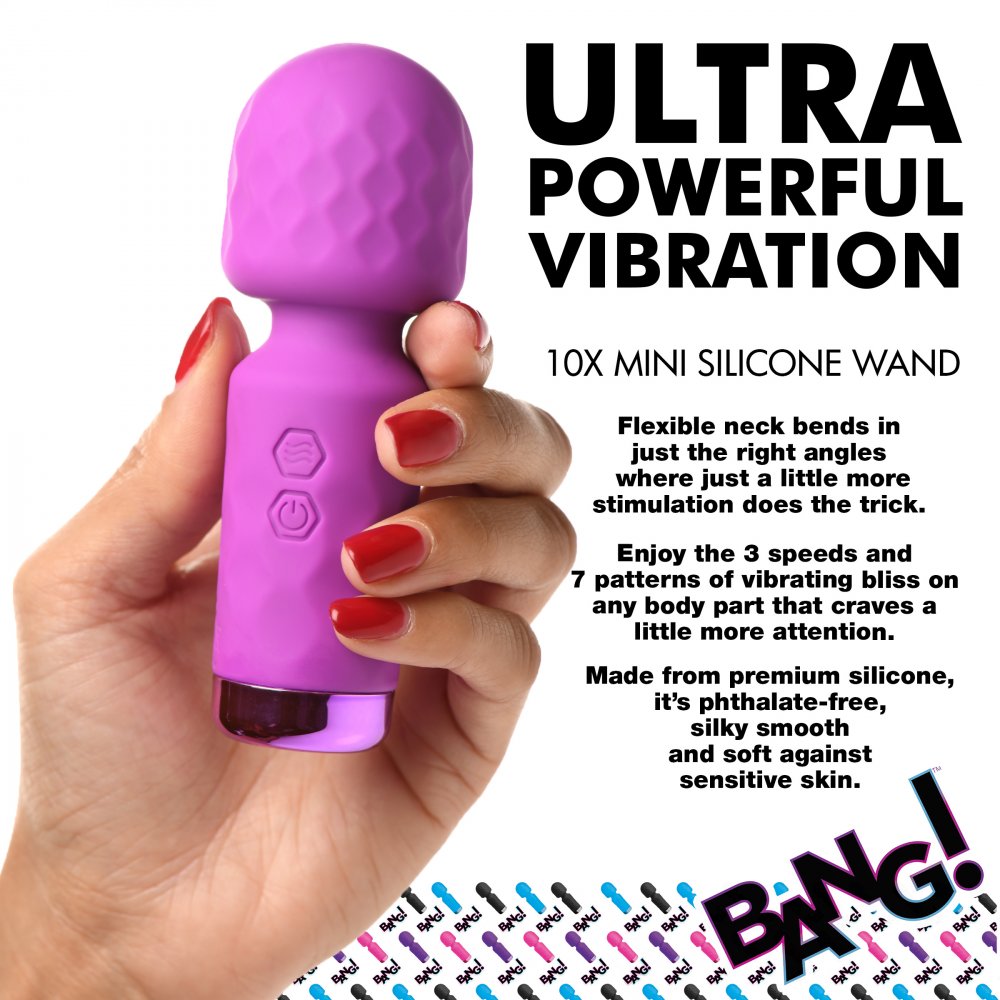
Description
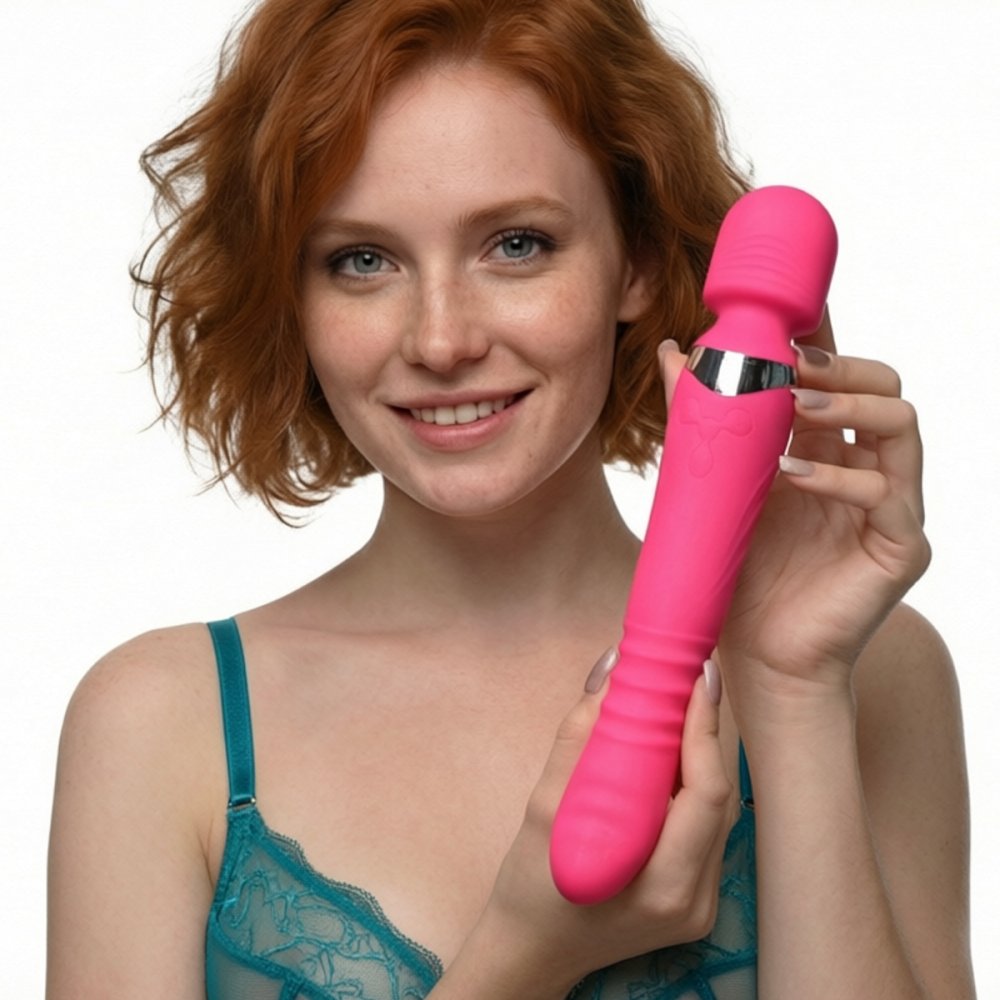
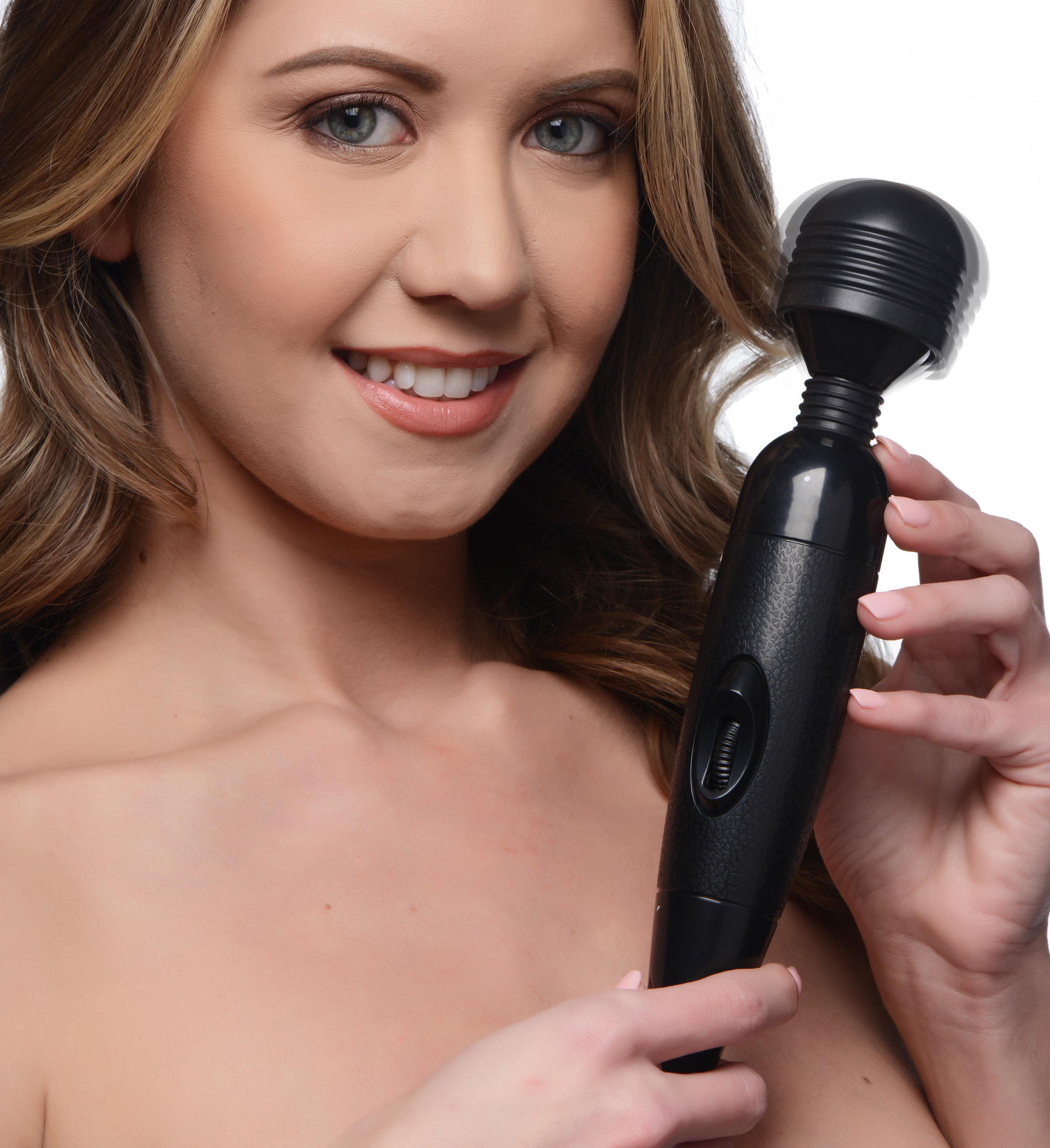
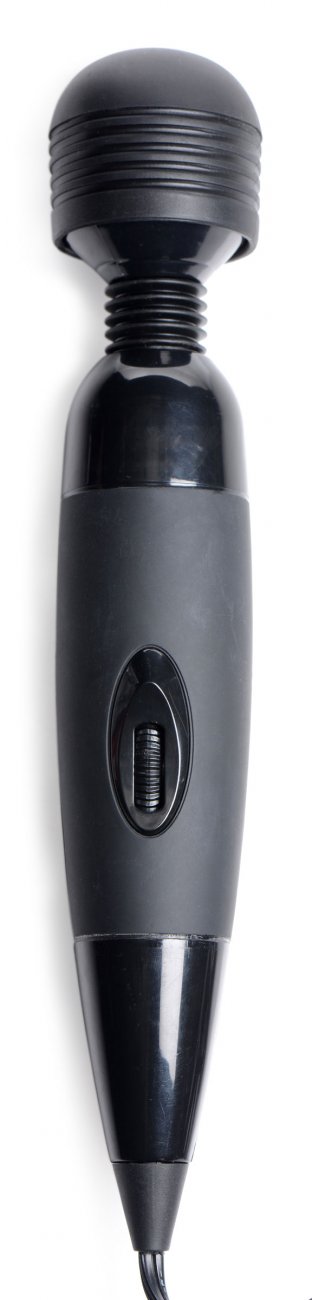
A refined personal massager, designed around comfort and quiet, considered everyday wellbeing.
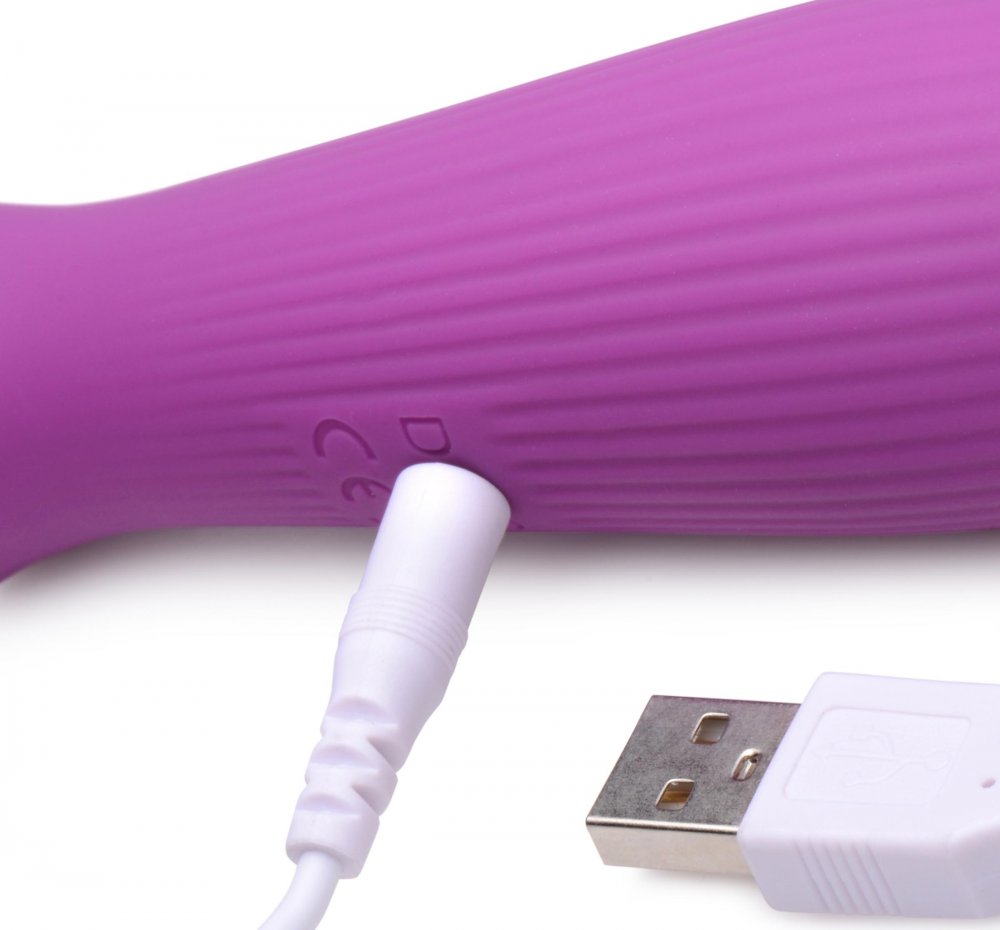
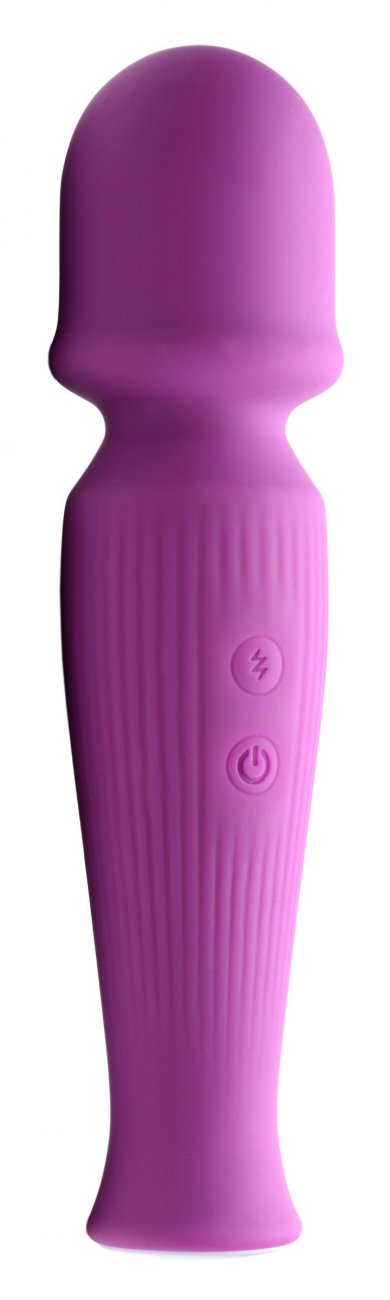
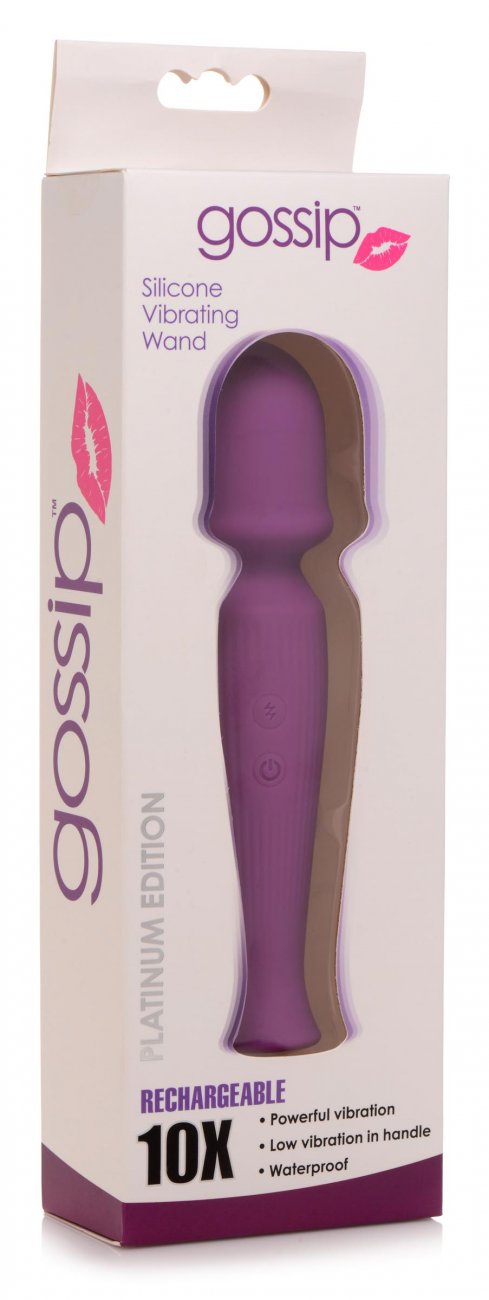
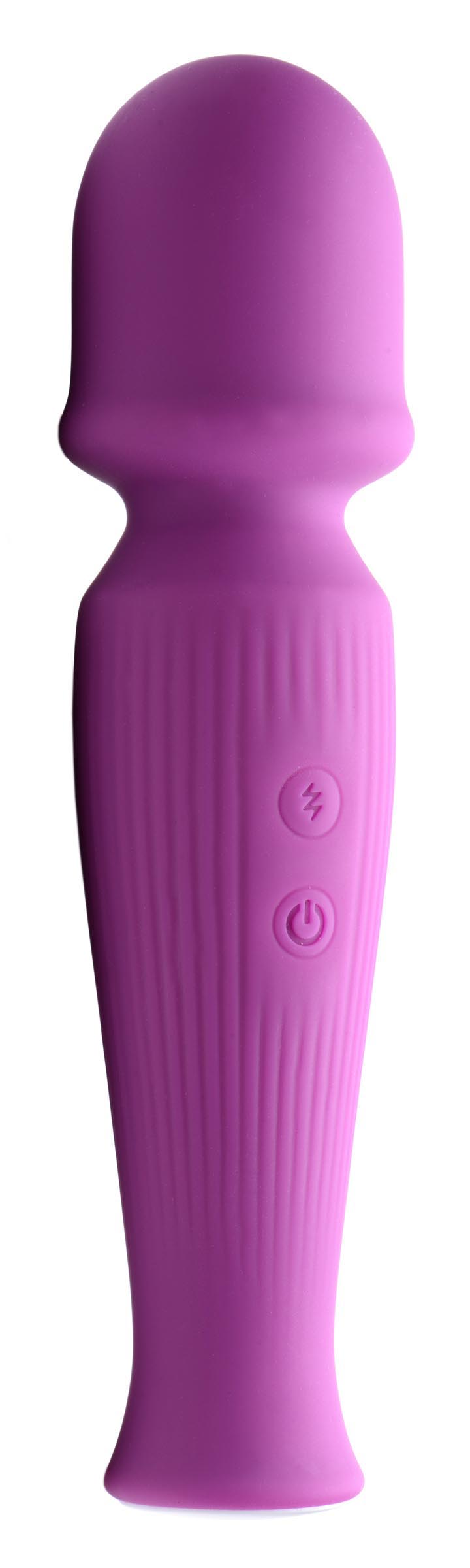
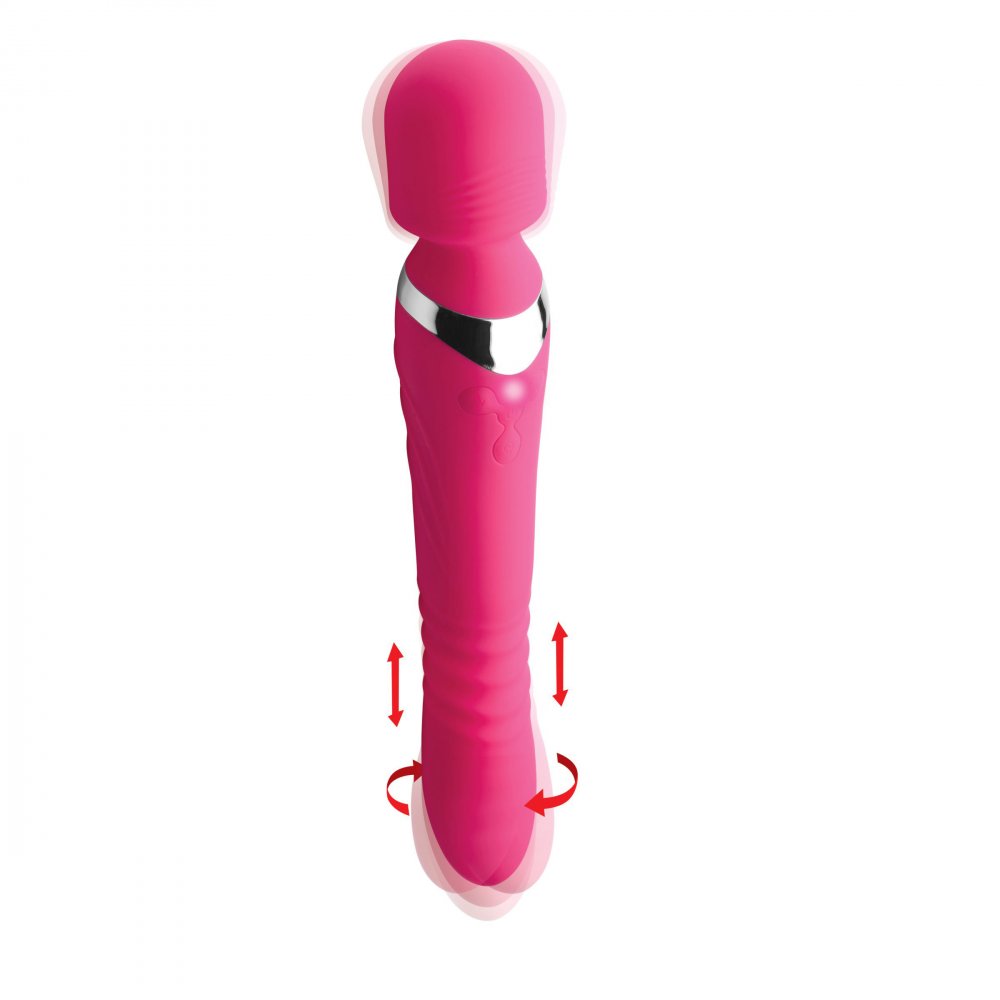
Wand Personal Massager (CN-04-0752-40) is part of our personal wellness range, selected for quality of finish and ease of use. Every piece is chosen with the same intent: that it feels considered in the hand, and discreet in your home.
Thoughtful details
- Body-safe materials, smooth to the touch
- Easy to clean and simple to store away
- Quiet in use, for genuine privacy
- Arrives in plain, unbranded packaging
Care
Clean before and after each use with warm water and a mild, unscented cleanser. Dry fully and store somewhere cool and dry, away from direct sunlight.
Discreet delivery
Every order ships in plain packaging with no branding, no product imagery and a neutral sender name on the label.
Shipping
Orders are packed and dispatched within 1 to 3 business days. Delivery then takes 3 to 7 business days within the United States. Tracking is emailed as soon as the parcel leaves us.
Discreet packaging
Every order ships in a plain box. There is no branding, no product imagery and no description of the contents anywhere on the outside. The sender name on the label is neutral.
Returns
Unopened items in their original sealed packaging can be returned within 30 days. For health and hygiene reasons, items that have been opened or used cannot be returned unless they arrived faulty or damaged.
Read the full returns policy
Care and cleaning
Clean before and after each use with warm water and a mild, unscented cleanser. Rinse thoroughly and dry completely with a soft cloth.
- Store somewhere cool and dry, out of direct sunlight.
- Use water-based lubricant only with silicone items.
- Do not submerge items that are not marked as waterproof.
- Remove batteries when storing for a long period.
These products are intended for personal wellbeing and comfort. They are not medical devices and are not intended to diagnose, treat or prevent any condition.