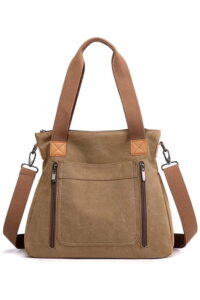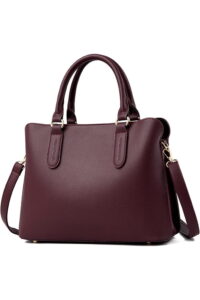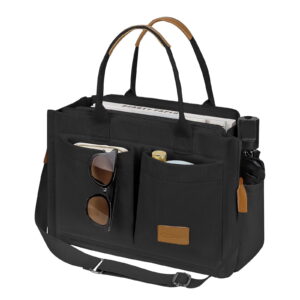
These three terms appear on product pages as if they were different materials. Mostly they are not. Knowing what each one does and does not promise stops you paying leather money for something else.
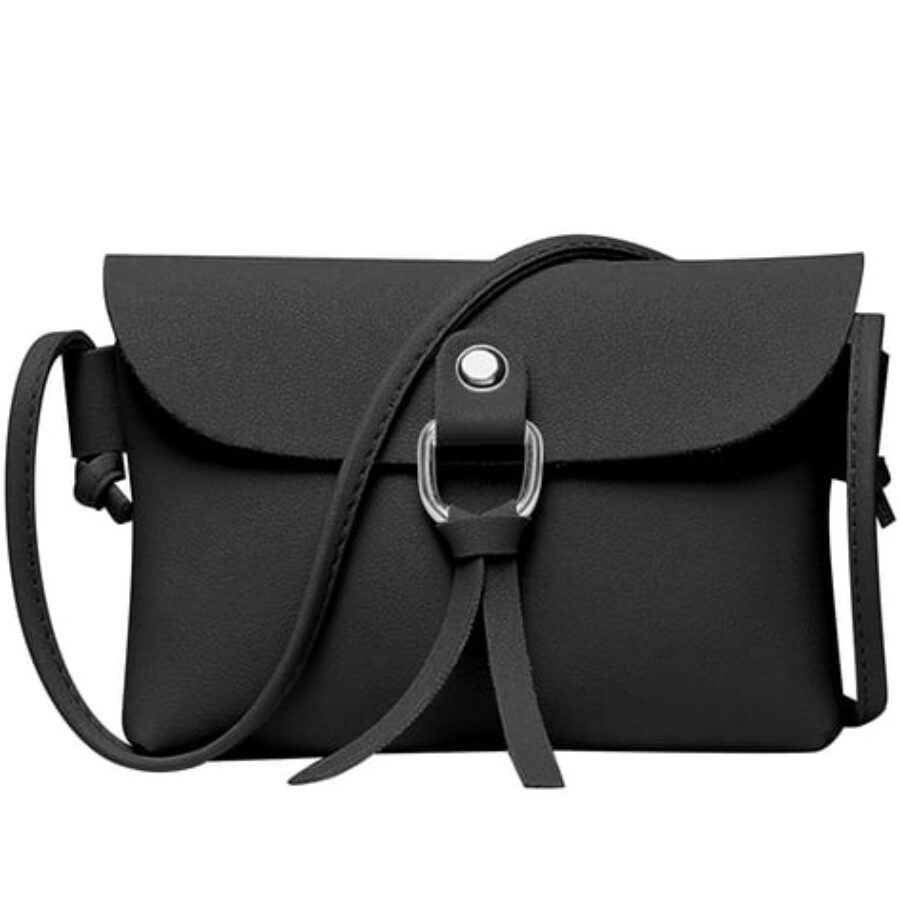
They largely describe the same thing
Faux leather, PU leather and vegan leather almost always mean a fabric backing coated with polyurethane. The coating is what you see and touch. The differences between the three labels are marketing, not chemistry. None of them are leather, and none of them are required to say what the backing is.
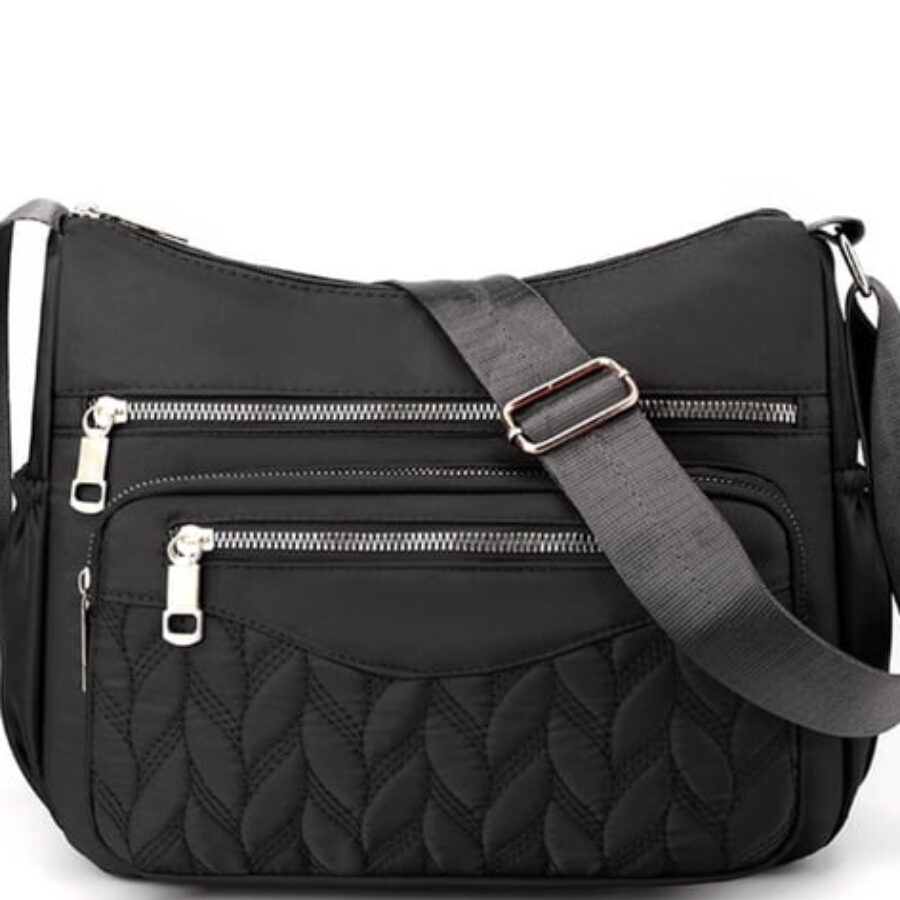
What the coating does well
It is consistent, it takes colour beautifully, it wipes clean and it costs a fraction of leather. For a bag you carry a few times a month it can look excellent for years.
What it does badly
Polyurethane coatings eventually crack and peel, and heat and humidity accelerate it. Unlike leather, this damage cannot be repaired or conditioned away. Where leather softens and takes on the shape of how you carry it, a coated bag stays exactly as it is until the day it starts to flake.
Genuine leather is not one thing either
Confusingly, “genuine leather” is a grade, not a compliment — it sits below full-grain and top-grain. It is real leather, but it is the split left after the best layers are taken.
How we label it
We use the most qualified phrase the source listing supports. If the source says non-leather, faux, PU or vegan, that is what our page says. We do not print a bare “leather” on a bag whose own listing calls it faux, and where the material genuinely is not stated we write that instead of guessing.